
Everything you do impacts your heart health.
Be it diet, poor sleep cycle, or no physical movement.
But the truth is: heart disease usually develops slowly over time. Our daily habits and lifestyle choices are what impact heart health. It is influenced by everyday habits and lifestyle choices.
It is estimated that heart attacks and strokes are the leading cause of death. Almost 19.8 million deaths occur each year, roughly 32% of all deaths worldwide.
The good news is that many of these cases are preventable. In fact, if you take care of your diet, exercise, and sleep, you can dramatically reduce the risk of heart disease.
Let’s explore how you can implement a healthy lifestyle to improve your overall well-being.
What is heart disease?
Heart disease is a term for several conditions that affect the heart and blood vessels. Some of the most common types include:
- Coronary artery disease
- Heart attacks
- Stroke
- Heart failure
These conditions occur due to plaque buildup in the arteries, which restricts blood flow to the heart.
Several factors increase the risk of heart disease, including:
- High blood pressure
- High cholesterol
- Obesity
- Smoking
- Diabetes
- Physical inactivity
Many of these risk factors are closely linked to daily lifestyle habits. That is why prevention often begins with improving the way we eat, move, and rest.
How to Prevent Heart Disease?
With the right food choices, you can easily improve your heart health. Your diet influences cholesterol levels, blood pressure, body weight, and inflammation, all major factors in cardiovascular disease.
Heart-Healthy Foods to Include
A heart-friendly diet is typically rich in nutrient-dense foods. You can include whole foods in your diet, such as:
Fruits and vegetables
These are packed with antioxidants, vitamins, and fiber that help reduce inflammation and protect blood vessels.
Whole grains
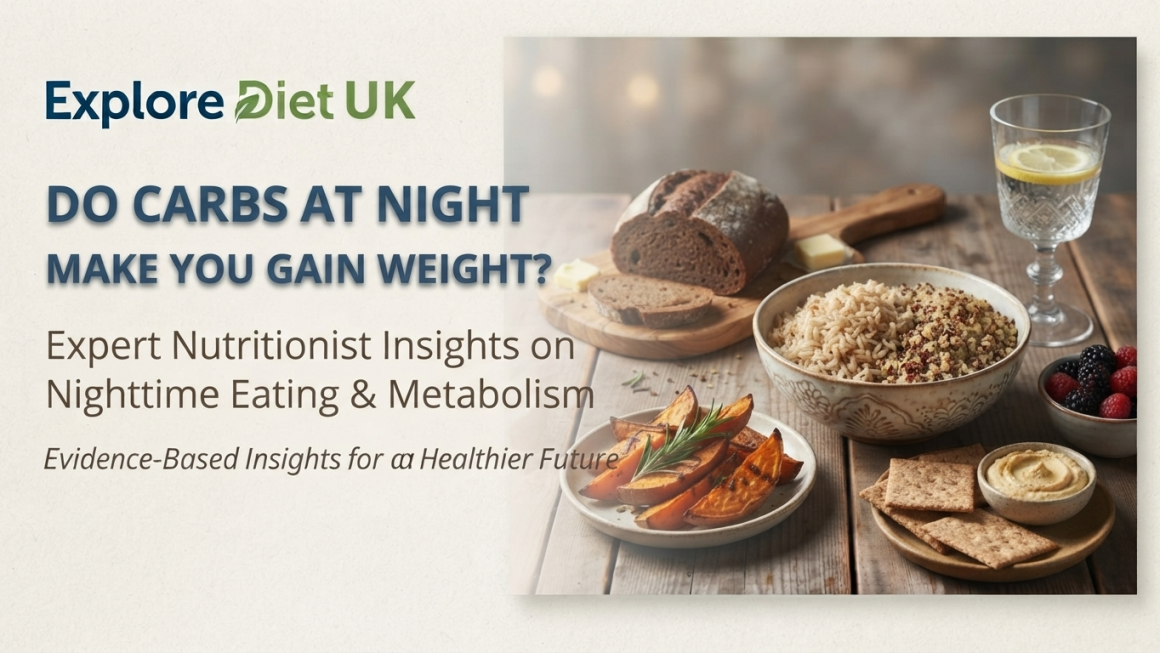
Include foods like oats, brown rice, and whole-grain bread, which provide fiber that helps lower LDL (bad cholesterol).
Healthy fats
Healthy foods like olive oil, nuts, seeds, and avocados contain unsaturated fats that support heart health.
Lean proteins
Fish, poultry, beans, and lentils provide essential nutrients without excessive saturated fat.
Consume salmon for omega-3 fatty acids, which help lower triglycerides and reduce the risk of irregular heart rhythms.
Foods to Limit Consumption
Eating healthy means limiting unhealthy foods. While some foods support heart health, others increase cardiovascular risk when consumed regularly.
Try to reduce:
- Processed foods
- Sugary beverages
- Excess salt
- Trans fats and high saturated fats
Diets high in salt can result in high blood pressure, one of the strongest predictors of heart disease.
Popular Heart-Healthy Diet Patterns
There are certain dietary patterns that you can incorporate for heart health:
- Mediterranean diet: add vegetables, fish, olive oil, and whole grains
- DASH diet: designed to lower blood pressure through balanced nutrition
- Plant-based diets: focus on whole plant foods and minimal animal products
Following a diet doesn’t mean being strict; it’s all about balancing all the nutrients to adopt long-term healthy eating habits.
2. Exercise and Heart Health
Physical activity is one of the most powerful ways to protect your heart.
Regular exercise strengthens the heart muscle and improves how efficiently it pumps blood throughout the body.
How Exercise Protects the Heart
Consistent physical activity can:
- Lower blood pressure
- Improve cholesterol levels
- Help maintain a healthy weight
- Improve blood circulation
- Reduce inflammation
Exercise also improves insulin sensitivity, which lowers the risk of developing type 2 diabetes, a major risk factor for heart disease.
Recommended Activity Levels
Health experts generally recommend:
- At least 150 minutes of moderate exercise per week, or
- 75 minutes of vigorous activity weekly
Moderate activities include the following:
- Brisk walking
- Cycling
- Swimming
- Dancing
You don’t necessarily need a gym membership. Even simple habits, like taking the stairs or walking after meals, can add up and benefit your heart. Furthermore, getting fitness apps to monitor your daily fitness regime and keep a track of your movement.
The Power of Consistency
Research consistently shows that people who are physically active have a significantly lower risk of heart disease compared with those who are sedentary.
The key isn’t intensity, it’s consistency.
3. The Importance of Sleep for Heart Health
Sleep is often overlooked when discussing heart health, but it plays a critical role in maintaining cardiovascular function.
Adults typically need 7–9 hours of sleep per night for optimal health.
How Sleep Affects the Heart
During sleep, the body performs important restorative processes such as:
- Regulating blood pressure
- Repairing blood vessels
- Balancing hormones
- Reducing inflammation
Poor sleep disrupts these processes, which can increase the risk of cardiovascular problems.
Risks of Chronic Sleep Deprivation
Not getting enough sleep has been linked to:
- High blood pressure
- Weight gain
- Increased stress hormones
- Higher risk of heart disease
People who regularly sleep less than six hours per night are more likely to develop conditions like hypertension and metabolic disorders.
Tips for Better Sleep
Improving sleep quality can significantly benefit heart health.
Try these habits:
- Maintain a consistent sleep schedule
- Avoid screens before bedtime
- Limit caffeine in the evening
- Create a quiet, comfortable sleep environment
Even small improvements in sleep routines can make a noticeable difference in overall health.
4. Why Diet, Exercise, and Sleep Work Best Together
While each habit supports heart health individually, their combined effect is even more powerful.
For example:
- Exercise helps regulate sleep cycles
- Good sleep improves metabolism and food choices
- Healthy nutrition provides the energy needed for physical activity
Together, these habits create a positive cycle that strengthens cardiovascular health.
Studies show that people who follow healthy lifestyle patterns, a balanced diet, regular exercise, and sufficient sleep have a significantly lower risk of developing heart disease over time.
5. A Simple Daily Routine for a Healthier Heart
Keeping your heart healthy doesn’t mean making drastic changes. It is all about making small, consistent habits that can make a big difference.
Here’s how you can start a heart-healthy daily routine:
Morning
Start with a balanced breakfast that includes whole grains, fruit, and protein.
Midday
Take a short walk during your lunch break.
Evening
Eat a balanced dinner with vegetables and lean protein.
Night
Take a break from the screen and get at least 7–9 hours of sleep.
These simple steps support the body in ways that protect your heart and overall well-being.
Bottom Line
Heart disease may be one of the biggest global health challenges, but with small and healthy habits, you can prevent it.
Healthy habits means eating nutritious foods, staying physically active, and getting quality sleep, play a powerful role in reducing cardiovascular risk.
The key is consistency. Small improvements in daily routines can lead to lasting benefits for your heart.
Your heart works tirelessly every day. Supporting it with a healthier lifestyle is one of the most important investments you can make in your long-term health.