

Gut health isn’t just a wellness buzzword.
It is how our body functions every single day.
From digestion, immunity to energy levels, gut health reflects everything. Your gut health also impacts your skin health, and mood. Moreover, it affects your overall well being. And it is most tested when you choose junk over fermented foods.
Long before supplements and superfoods were trending, different cultures used to rely on fermented foods to enhance nutrition.
Today, science is finally testifying it that fermented foods can be incredibly beneficial for your gut.
Kimchi is known as the best fermented food, along with kombucha and yogurt. These fermented foods are taking over café menus and are recommended by dieticians to include in your diet. Let’s take a look at how you can include it in your diet in a sustainable, enjoyable way.
Gut Health: The Foundation of Your Body
Your gut is home to trillions of microorganisms. It consists of bacteria, yeasts, and other microbes, collectively known as the gut microbiome. You can think of it as a living ecosystem that constantly interacts with your body.
When your gut microbiome is balanced, it:
- Digest food efficiently
- Absorb vitamins and minerals
- Defend against harmful pathogens
- Regulate inflammation
- Communicate with your brain
In fact, researchers often refer to the gut as the “second brain” because it creates a powerful connection with your brain and emotional well-being. Furthermore, about 70% of your immune system is located in your gut. That is the reason why gut health plays an important role when fighting against bacteria.
Modern lifestyle doesn’t support gut balance. We are all surrounded by highly processed foods, and chronic stress, poor sleep, and frequent antibiotic use can cause disruption to the microbiome. Over time, this results in an imbalance that results in bloating, digestive discomfort, low energy, or frequent illness.
That’s where the need for fermented foods comes in.
What Are Fermented Foods?
Fermentation is a natural process.
It helps break down the sugars and carbohydrates in food. This process helps break down the organic acids, enzymes, and probiotics that improve overall health.
This process doesn’t just preserve the nutrients but also makes it healthy.
Fermented foods are:
- Easier to digest
- Develop deeper, more complex flavors
- Gain enhanced nutritional value
It’s important to note that not all fermented foods automatically contain live probiotics by the time you eat them. Heat processing and long shelf storage can destroy beneficial bacteria, which is why reading the label is important.
Fermentation can increase the nutrients like B vitamins and vitamin K. This means meaning your body can absorb more from fermented foods than other versions.
Why Fermented Foods Are So Beneficial for Gut Health
Fermented foods offer multiple benefits. This is the reason why it is known as a powerhouse for gut health. Let’s take a look at some of the benefits of fermented foods on gut health.
They incorporate beneficial bacteria
Fermented foods consist of microorganisms that can temporarily colonize your gut and support microbial diversity.
They Improve Digestion
Fermentation helps break down compounds like lactose and phytic acid, making foods easier to digest and nutrients easier to absorb.
They Support Immune Function
A well-nourished gut microbiome helps your immune system respond appropriately. They are strong enough to fight threats but balanced to keep you away from chronic inflammation. To better support your immune system, it is important to include these immune supporting foods to your diet.
They Support the Gut–Brain Axis
Your gut and brain communicate constantly via nerves and chemical messengers. It is a sign of a healthier gut environment that regulates better mood and stress resilience.
It is researched that about 90% of your body’s serotonin, a neurotransmitter, is linked to mood and emotional balance.
Kimchi: Bursting with Bold Flavors
Kimchi is one of the most iconic and popular fermented foods.
Traditionally made from napa cabbage, radishes, garlic, ginger, chili peppers, and salt, kimchi undergoes natural fermentation that creates lactic acid bacteria. It benefits gut health in the best way possible.
Beyond probiotics, kimchi also benefits as it is:
- High in fiber
- Rich in antioxidants
- Low in calories but nutrient-dense
The spicy, tangy flavor can instantly elevate the taste of any meal. While it supports gut health, there are hundreds of varieties of kimchi, and recipes often vary by region, season, and family tradition.
How to Enjoy Kimchi?

Enjoying kimchi doesn’t have to be complicated. You can enjoy it:
- As a side dish
- Mixed into rice or grain bowls
- Added to eggs, noodles, or sandwiches
If you’re new to fermented foods, start with a tablespoon, and you can start working your way up. Kimchi is powerful, both in flavor and probiotic content.
Kombucha: Best Fermentation Tea

Kombucha is a fermented tea made using sugar and tea. It is often referred to as a SCOBY. This is a lightly fizzy drink that comes with a tangy, refreshing taste.
Kombucha contains:
- Organic acids that support digestion
- Trace probiotics
- Compounds that may support liver health
It is also a great alternative to sugary sodas, offering flavor without the same level of processed ingredients.
Kombucha dates back over 2,000 years, originating in ancient China as a drink. It is valued for its perceived health benefits.
But not every kombucha tastes and benefits the same. Some store-bought versions can contain high amounts of added sugar and small amounts of alcohol that form naturally during fermentation.
If you’re just starting out:
- Start with small servings
- Choose brands with minimal added sugar
- Keep it refrigerated to preserve live cultures
Yogurt: A Classic Food Item
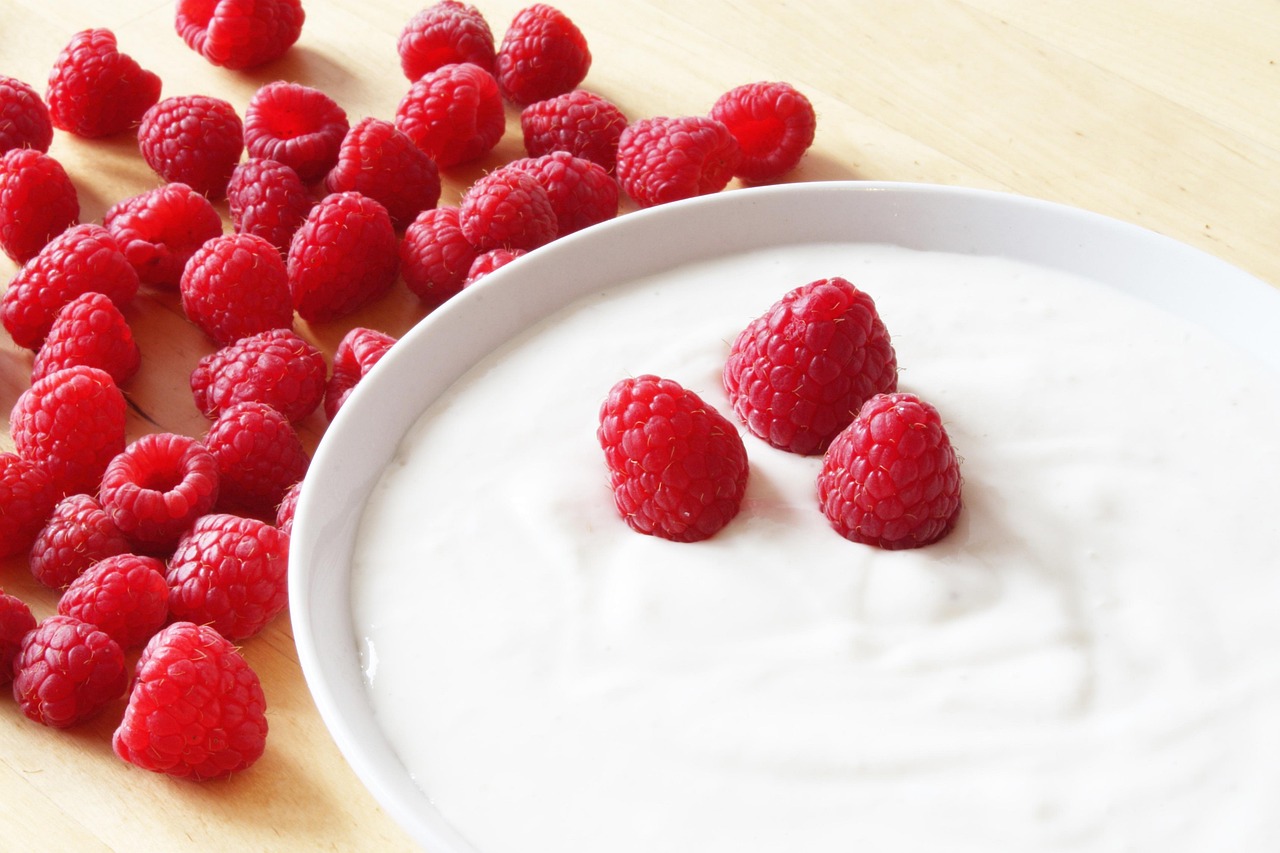
Yogurt is one of the most accessible fermented foods.
It is a staple in many dishes. Made by fermenting milk, it has beneficial bacteria that support your gut health. Yogurt provides probiotics, protein, and calcium.
One major benefit of yogurt is that fermentation reduces lactose content, making it easier to digest than milk for many people.
To get the most benefit:
- Look for “live and active cultures.”
- Choose plain varieties with minimal added sugar
- Consider Greek yogurt for higher protein content
Plant-based yogurts can also be fermented, but not all contain probiotics; checking labels is essential.
Other Fermented Food Choices
While kimchi, kombucha, and yogurt always take the lead, there are many fermented foods that can be ideal for gut health.
- Sauerkraut: Fermented cabbage rich in probiotics and vitamin C
- Kefir: A drinkable fermented dairy (or water-based alternative) that comes with diverse probiotics
- Tempeh: A fermented soy product that’s high in protein and easier to digest
- Natto: A strong-flavored but highly probiotic-rich food
- Naturally fermented pickles: Made with salt and water, not vinegar
Some fermented foods naturally contain dozens of different probiotic strains, which contribute to greater microbial diversity.
How to Add Fermented Foods Without Overwhelming Your Gut
If your diet hasn’t included fermented foods before, more isn’t better, at least not at first.
Start Slowly
Introduce one fermented food at a time in small portions to allow your gut to adapt.
Be Consistent
Regular intake matters more than large, occasional servings.
Pair With Prebiotic Foods
Fiber-rich foods like oats, bananas, legumes, and vegetables feed the beneficial bacteria you consume.
Use Them as Enhancers
Think of fermented foods as flavor boosters rather than main dishes.
Final Word
Supporting your gut doesn’t require drastic dietary changes or expensive supplements. Sometimes, it’s as simple as adding a spoonful of kimchi to your meal, enjoying a bowl of yogurt, or sipping kombucha. instead of soda.
Fermented foods offer a rare combination of tradition and science, ancient practices now backed by modern research. When consumed mindfully and consistently, they can play a meaningful role in supporting digestion, immunity, and overall well-being.
Your gut works hard for you every day. Feeding it foods it truly thrives on is one of the most practical investments you can make in your long-term health.