

Omega‑3 fatty acids have become one of the most hyped nutrients in the health world.
These fatty acids play key role in improving heart and cognitive health, brain function, inflammation control, and overall well-being.
Yet despite their importance, most people are not eating enough Omega‑3-rich foods, meaning they’re missing out on powerful health benefits that could impact their quality of life.
Let’s take a look at why omega‑3s matter, how they work in your body, the top 10 omega‑3 foods, and easy recipes to get them into your diet.
What Are Omega‑3 Fatty Acids? And Why Do We Need Them?
Omega‑3 fatty acids are polyunsaturated fats, “good fats” that are essential for human health. Our bodies cannot produce them on their own. Therefore, it’s important to get food or supplements with Omega-3 fatty acids.
Here are three major types of Omega-3:
- EPA (Eicosapentaenoic Acid): mainly in fatty fish
- DHA (Docosahexaenoic Acid): critical for brain, nerve, and eye development
- ALA (Alpha-Linolenic Acid): plant-based, found in seeds and nuts
EPA and DHA are more directly usable by the body, while ALA must be converted into EPA and DHA, a process that’s only partially efficient.
This is why including both seafood and plant based sources of omega-3 is ideal.
Health Benefits of Omega‑3 Fatty Acids
1. Heart Health
Omega‑3s help lower triglycerides. It reduces inflammation in blood vessels, improves cholesterol, and supports healthy blood pressure. Fatty fish twice a week is recommended for better health conditions.
2. Brain & Cognitive Function
DHA is a key to improve and boost healthy brain function. Higher intake can boost better memory, learning, and mood regulation. This makes DHA an important source of nutrients for overall human brain development.
3. Inflammation & Joint Support
Omega‑3s help control inflammatory responses, reducing stiffness and pain in arthritis and chronic inflammation.
4. Eye & Pregnancy Health
DHA supports eye health and fetal brain development, making omega‑3s vital for pregnant women.
Top 10 Omega‑3 Foods & Recipes
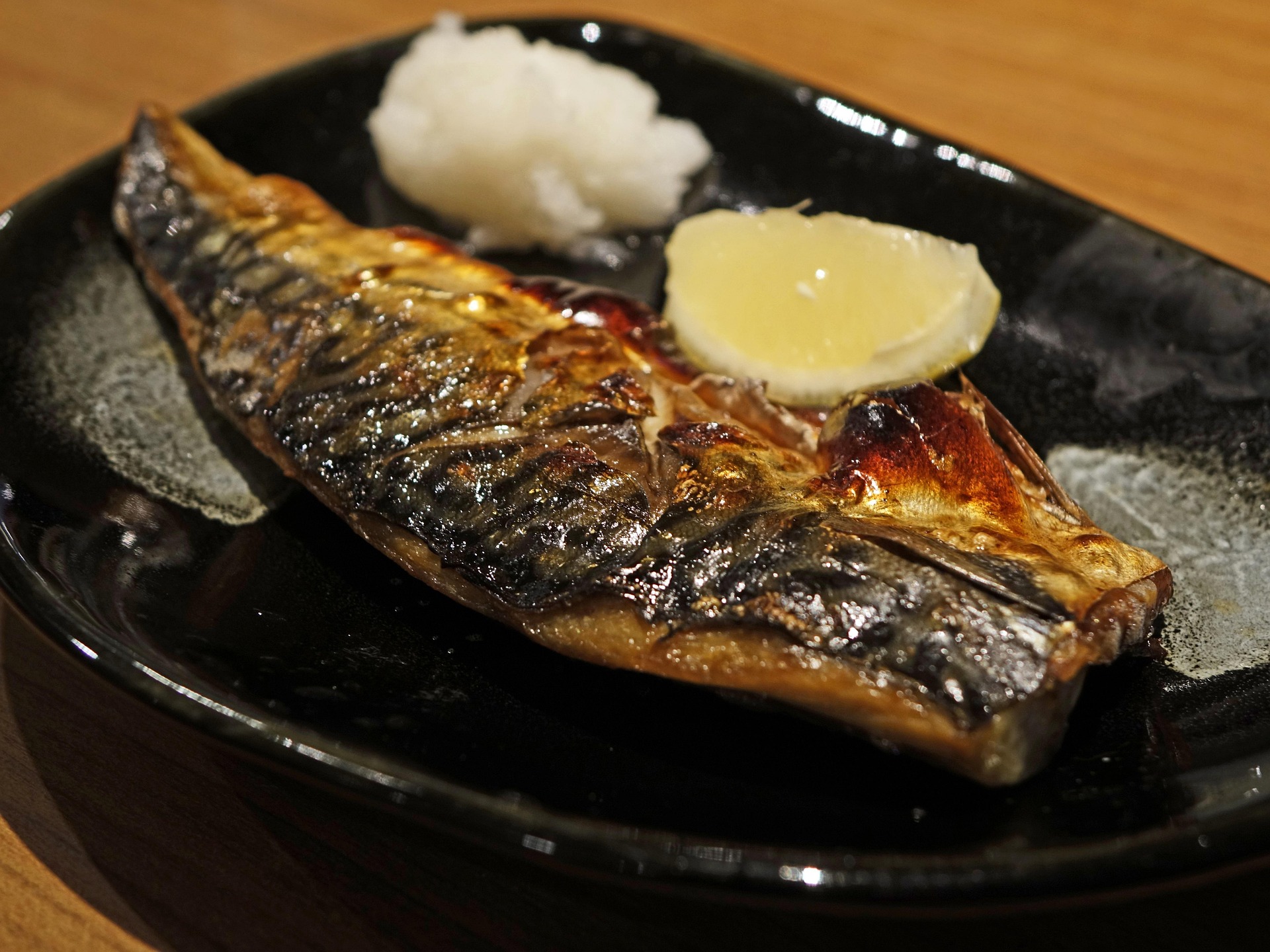
1. Mackerel
Omega-3 Count: 4,580 mg EPA + DHA per 100 g
Why It’s Great: It is highly concentrated with EPA and DHA, vitamin B12, and selenium.
Recipe: Lemon-Garlic Grilled Mackerel
-
- Ingredients: 2 mackerel fillets, 1 tbsp olive oil, 2 cloves garlic (minced), juice of 1 lemon, salt & pepper
- Directions:
-
- Preheat grill.
- Mix olive oil, garlic, lemon juice, salt, and pepper.
- Brush on mackerel fillets.
- Grill 4-5 minutes per side until cooked through.
- Serve with steamed vegetables or salad.
2. Salmon
Omega-3 Count: 2,150 mg EPA + DHA per 100 g
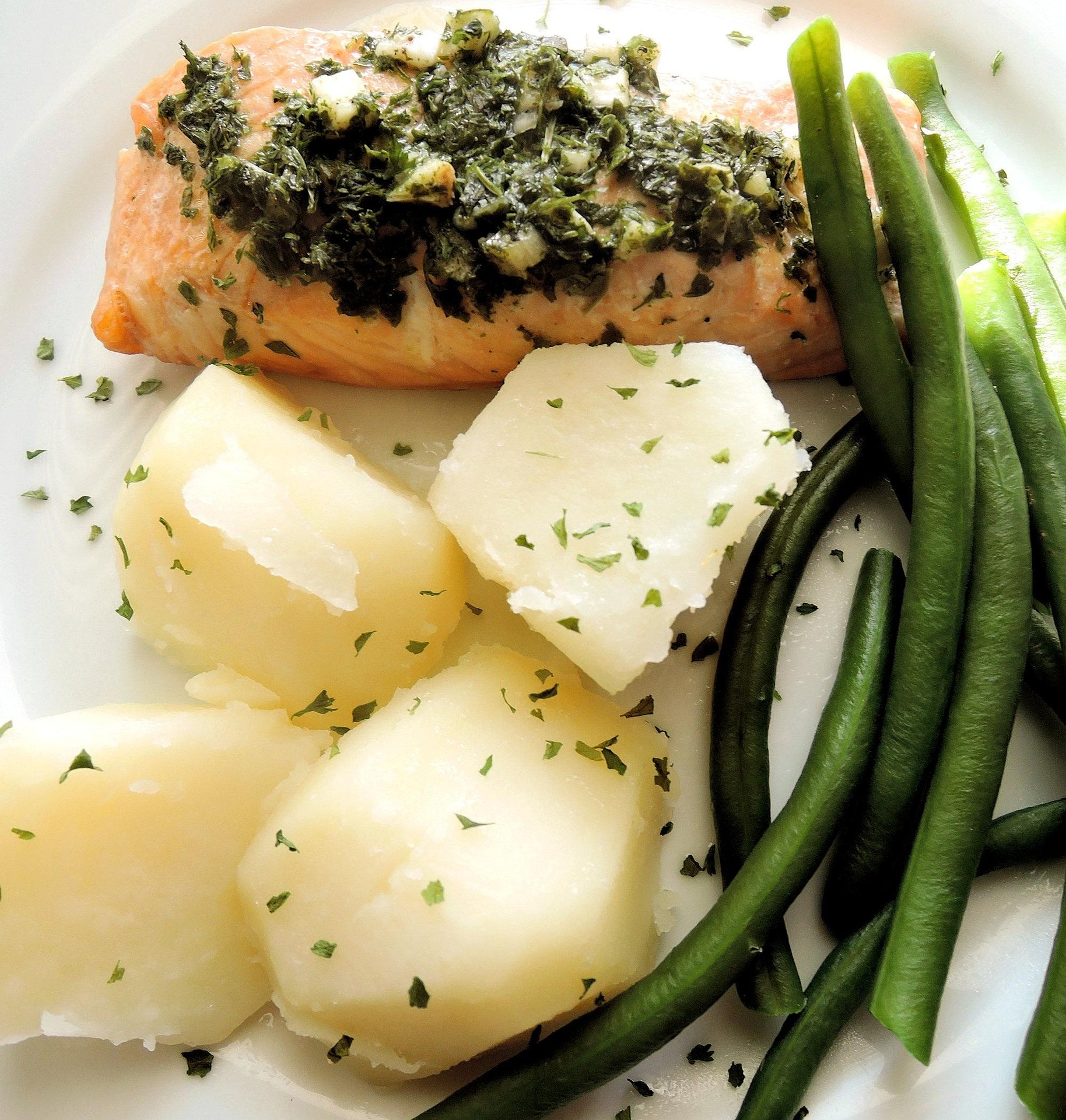
Recipe: Baked Herb Salmon
-
- Ingredients: 2 salmon fillets, 1 tsp olive oil, 1 tsp dried dill, 1 tsp lemon zest, salt & pepper
- Directions:
-
- Preheat oven to 375°F (190°C).
- Brush salmon with olive oil and sprinkle with dill, lemon zest, salt, and pepper.
- Bake for 15–18 minutes until salmon flakes easily.
- You can also pair it with quinoa and roasted vegetables.
3. Sardines
Omega-3 Count: 1,400–2,200 mg EPA + DHA per 100 g
Recipe: Sardine Avocado Toast

-
- Ingredients: 1 can sardines (in olive oil), 1 ripe avocado, 2 slices whole-grain bread, lemon juice, salt & pepper
- Directions:
-
- Toast bread and mash avocado on top.
- Add sardines, drizzle with lemon juice, and season it with salt & pepper.
- Enjoy immediately for a nutrient-dense breakfast or snack.
4. Anchovies
Omega-3 Count: 2,000 mg per 100 g
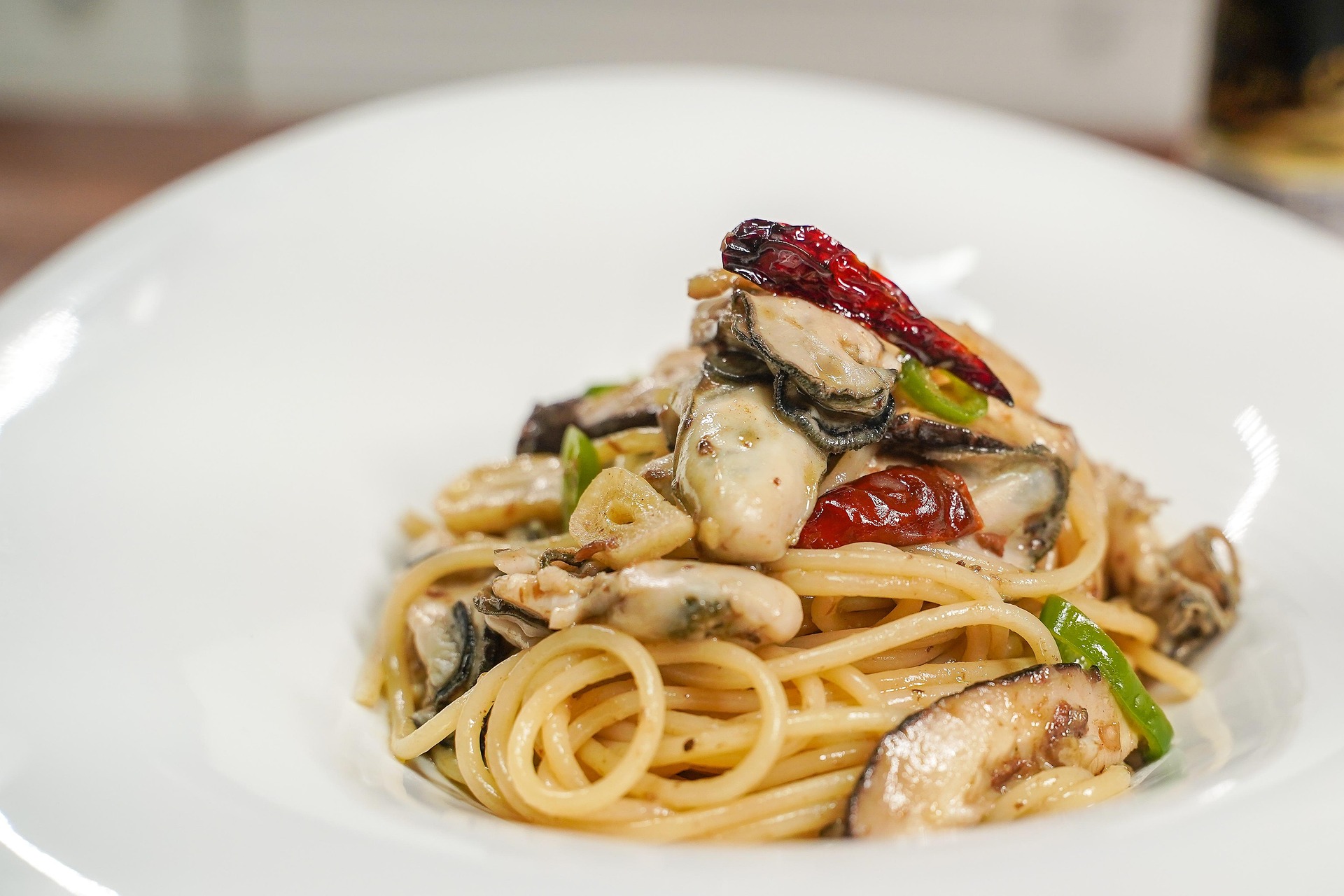
Recipe: Anchovy Pasta
-
- Ingredients: 200 g whole-grain spaghetti, 6 anchovy fillets, 2 cloves garlic, 2 tbsp olive oil, chili flakes, parsley
- Directions:
-
- Cook pasta.
- Sauté garlic in olive oil, and add anchovies until dissolved.
- Toss in pasta and chili flakes.
- Garnish with parsley and serve hot.
5. Herring
Omega-3 Count: 2,400 mg per 100 g
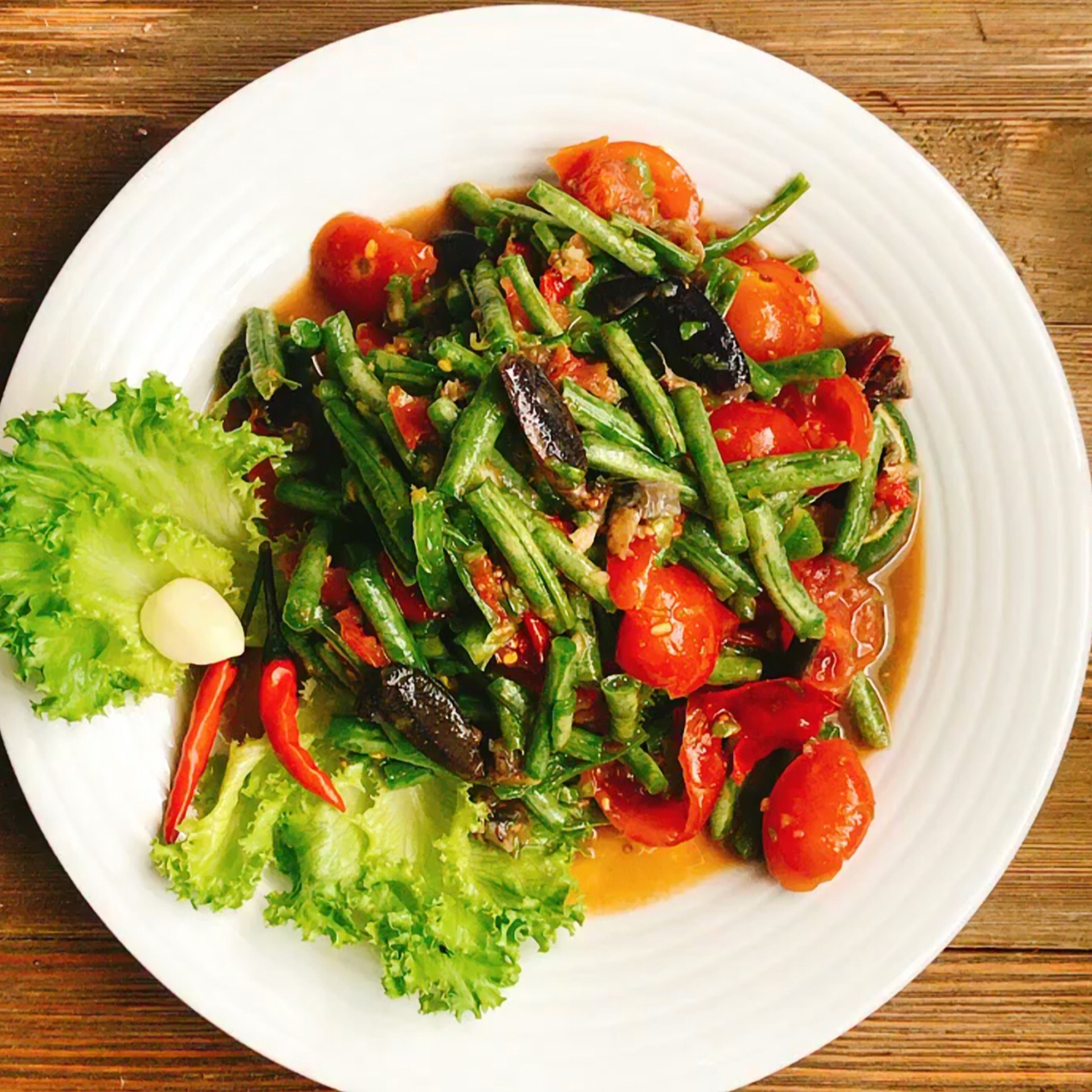
Recipe: Pickled Herring Salad
-
- Ingredients: 100 g pickled herring, 1 boiled potato (cubed), 1/2 onion (diced), 1 tbsp olive oil, dill, salt & pepper
- Directions:
-
- Combine all ingredients in a bowl.
- Mix gently, and season to taste.
- Chill for 30 min before serving.
- Great as a light lunch or appetizer.
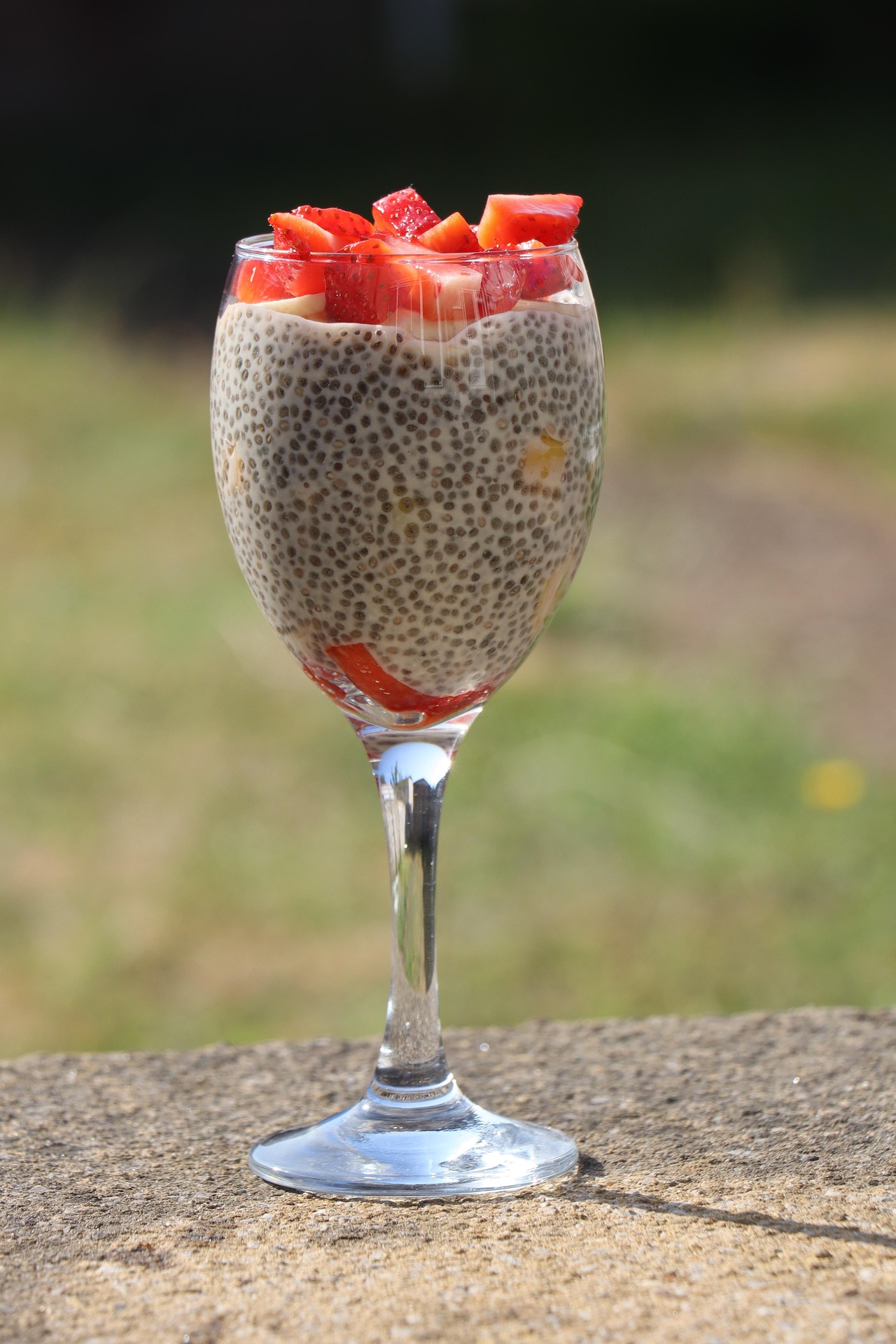
6. Chia Seeds
Omega-3 Count: 5000 mg ALA per ounce
Recipe: Chia Seed Pudding
-
- Ingredients: 3 tbsp chia seeds, 1 cup almond milk, 1 tsp honey or maple syrup, fresh fruit for topping
- Directions:
-
- Mix chia seeds, almond milk, and sweetener in a jar.
- Refrigerate for 4+ hours or overnight.
- Top with berries or banana slices and enjoy.
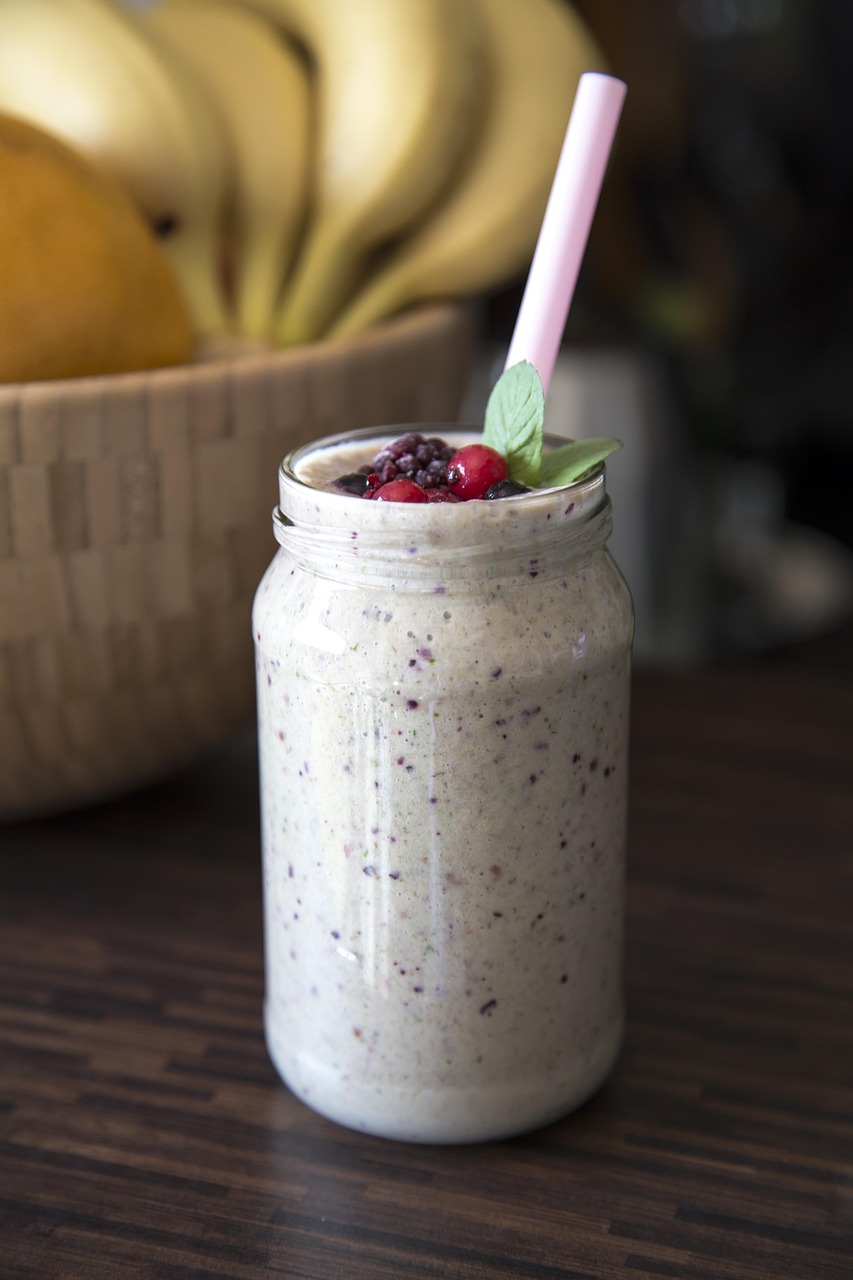
7. Flaxseeds
Omega-3 Count: 2,350 mg ALA per tablespoon
Recipe: Flaxseed Smoothie
-
- Ingredients: 1 tbsp ground flaxseed, 1 banana, 1 cup spinach, 1 cup almond milk, 1 tsp peanut butter
- Directions:
-
- Blend all ingredients until smooth.
- Drink immediately to retain nutrients.
- Optional: add ice cubes for a refreshing version.
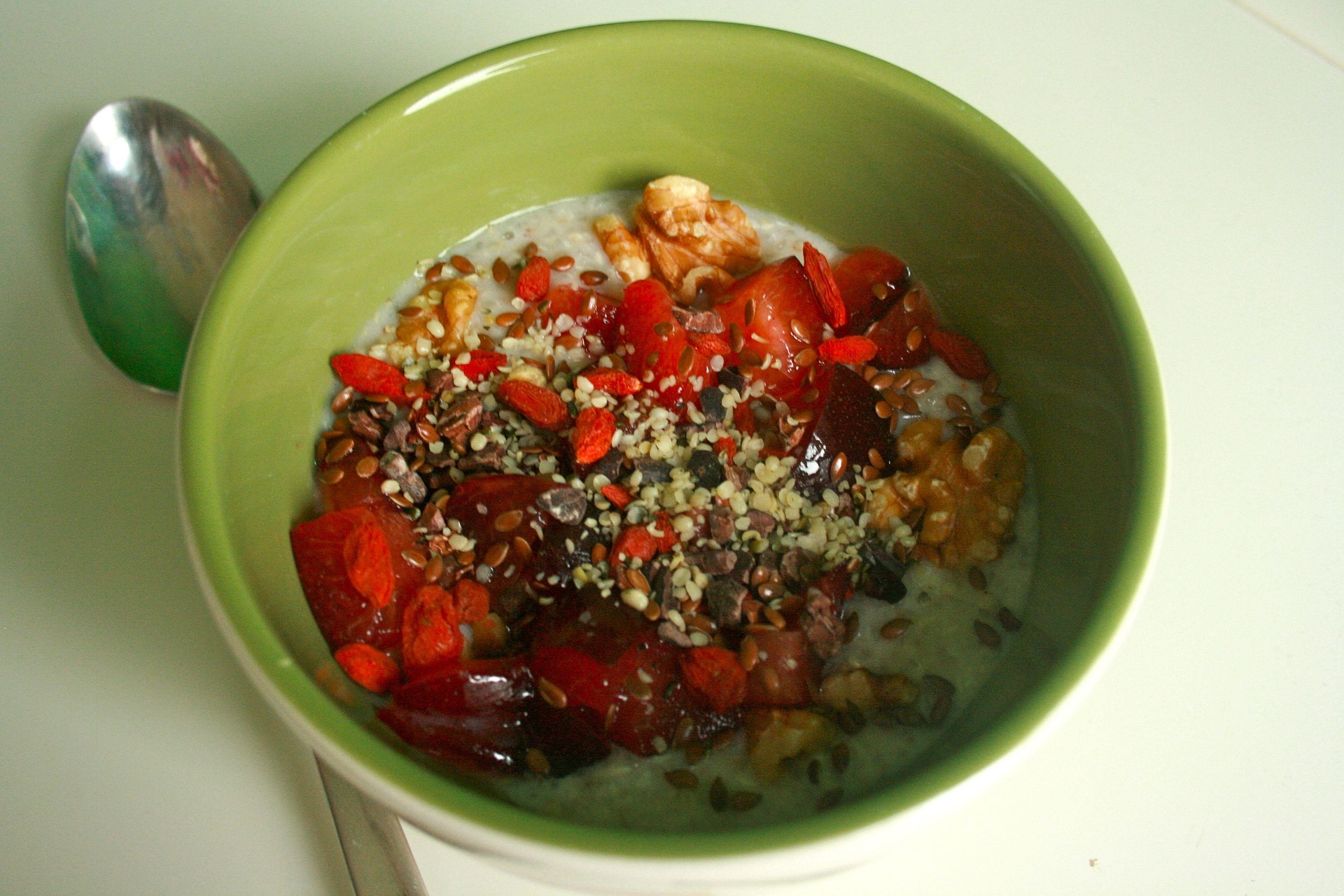
8. Walnuts
Omega-3 Count: 2,570 mg ALA per ounce
Recipe: Walnut and Berry Salad
-
- Ingredients: 2 cups mixed greens, 1/2 cup walnuts, 1/2 cup blueberries, 1/2 avocado, balsamic vinaigrette
- Directions:
-
- Toss all ingredients together.
- Drizzle with balsamic vinaigrette and serve fresh.
- Perfect as a side or light meal.
9. Soybeans / Edamame
Omega-3 Count: 300–400 mg ALA per 100 g
Recipe: Steamed Edamame Snack

-
- Ingredients: 1 cup frozen edamame, sea salt, 1 tsp olive oil (optional)
- Directions:
-
- Steam edamame for 5–6 minutes.
- Toss in sea salt and olive oil.
- Eat warm or cold as a snack or side dish.
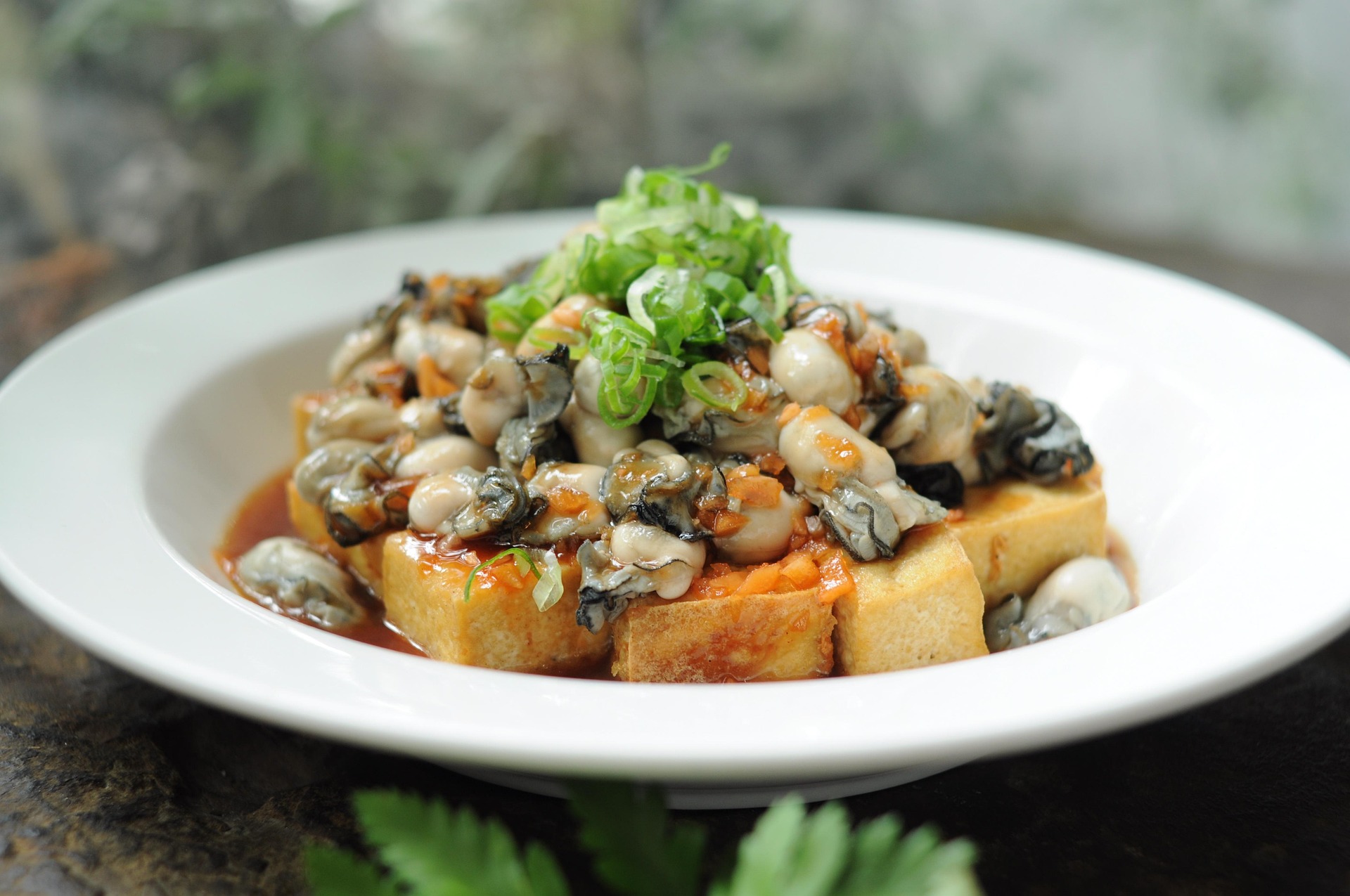
10. Oysters
Omega-3 Count: 330–390 mg EPA + DHA per serving
Recipe: Grilled Oysters with Garlic Butter
-
- Ingredients: 6 fresh oysters, 2 tbsp butter, 1 clove garlic (minced), 1 tsp lemon juice, parsley
- Directions:
-
- Preheat grill.
- Mix butter, garlic, and lemon juice.
- Spoon mixture onto each oyster.
- Grill 5–7 minutes until butter is melted and oysters are cooked.
- Garnish with parsley and serve.
Final Word!
Omega‑3 fatty acids are essential not only for heart health but also for brain health. It also supports the immune system, eye health, and overall longevity.
Start by including these foods—fish, seeds, nuts, and soy in your diet to reap their benefits later. In this way, you can easily reach recommended intake levels while enjoying delicious, versatile meals.
Start with one simple recipe today and rotate it on a daily basis to get the maximum amount of Omega-3s.




One thought on “10 Foods That Are High in Omega-3 and Why You Should Consume”