

If you live in the UK, you are probably lacking vitamin D in your body.
Winter is the season when sunlight is less than usual, and mostly you’ll get grey skies. Grey skies stretch on for weeks; daylight disappears even before the working day ends.
Living in the UK isn’t easy; there are days that feel heavier. Motivation dips, energy drops, and you’ll struggle to just go on.
This is when depression strikes, especially when you get less vitamin D. The fact that “sunshine vitamin” is less, vitamin D is essential to boost bone health, immune health, mood, and mental wellbeing. And during a UK winter, many of us don’t get enough of it.
And even if you can’t control the weather, you still need some practical changes to support your wellbeing. One of the most effective way is to include food that boosts vitamin D.
Let’s take a look at how vitamin D rich food can be a staple for your dinner table.
Why Winter Feels Tougher in the UK
Summers in the UK feel nothing but the best time of the year. It lasts from October to early March. The sun is simply too low in the sky and not sufficient to produce sufficient vitamin D from sunlight. Even on bright winter days, UVB rays are not strong enough for vitamin D through the skin.
As per the research, around three adults in the UK has low vitamin D levels during the winters, with higher rates among older adults.
Winters can bring lifestyle changes that can impact your overall health. You can end up spending more time indoors due to low or no vitamin D. Moreover, this weather can also reduce social interaction, creating a perfect environment for low mood and fatigue.
In such conditions, winters feel heavy on the mind and health. Vitamin D is the most essential nutrient for your body. Not getting enough vitamin D can also impact your mood.
Vitamin D and Mood: What’s the Connection?
Vitamin D affects your mood regulation, including regions involved in the production of serotonin. Serotonin is referred to “feel-good” neurotransmitter and plays a role in emotional balance, sleep, and motivation.
Low vitamin D can increase the feel low mood and seasonal affective disorder (SAD). In contrast, vitamin D is the core of depression, and the right levels support emotional wellbeing, particularly during periods of limited sunlight.
But consuming the right food alone cannot be a replacement for natural sunlight. However, it is an important supporting role, especially when meals are built intentionally.
Best Source of Vitamin D? (Food Edition)
Vitamin D is not limited to only food.
Some foods are actually rich in vitamin D and it can lower the deficiency if eaten regularly. The best source to Vitamin D has to be:
- Fatty fish such as salmon, mackerel, and sardines
- Trout are among the best natural sources of vitamin D
- Eggs, particularly the yolks, contain smaller amounts
- Mushrooms
In addition, many foods in the UK are fortified with vitamin D, including some dairy products, plant milks, spreads, and cereals.
Consuming more vitamin D during winter means regular inclusion of these foods to support overall nutrition. Importantly, vitamin D is fat-soluble, meaning it is better absorbed when eaten alongside healthy fats, something that dinner meals naturally provide.
Vitamin D–Rich Dinner Ideas for a UK Winter
One-Pan Lemon Salmon with Leeks and New Potatoes
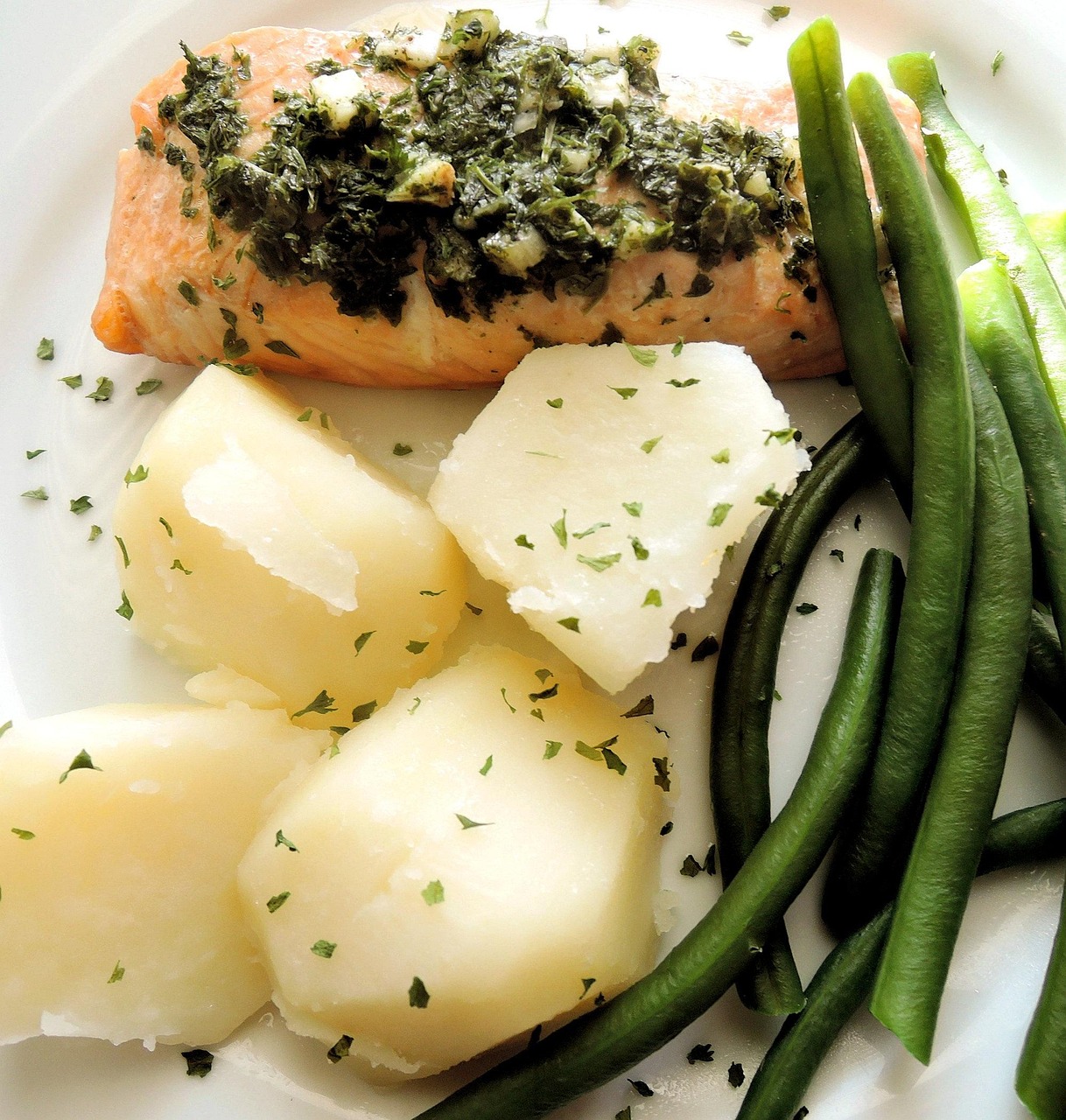
Salmon is one of the richest dietary sources of vitamin D and also provides omega-3 fatty acids, which have been linked to brain health and improved mood. This dish is ideal for winter evenings because it requires minimal preparation and delivers maximum nourishment.
Roasting salmon alongside new potatoes and leeks creates a balanced, comforting meal. The natural fats in the salmon support vitamin D absorption, while the potatoes provide gentle carbohydrates that help sustain energy. Leeks add fiber and a subtle sweetness that works beautifully with lemon.
This type of meal is particularly well suited to weeknights when energy is low, but nourishment is needed.
Smoked Mackerel and Spinach Wholegrain Pasta
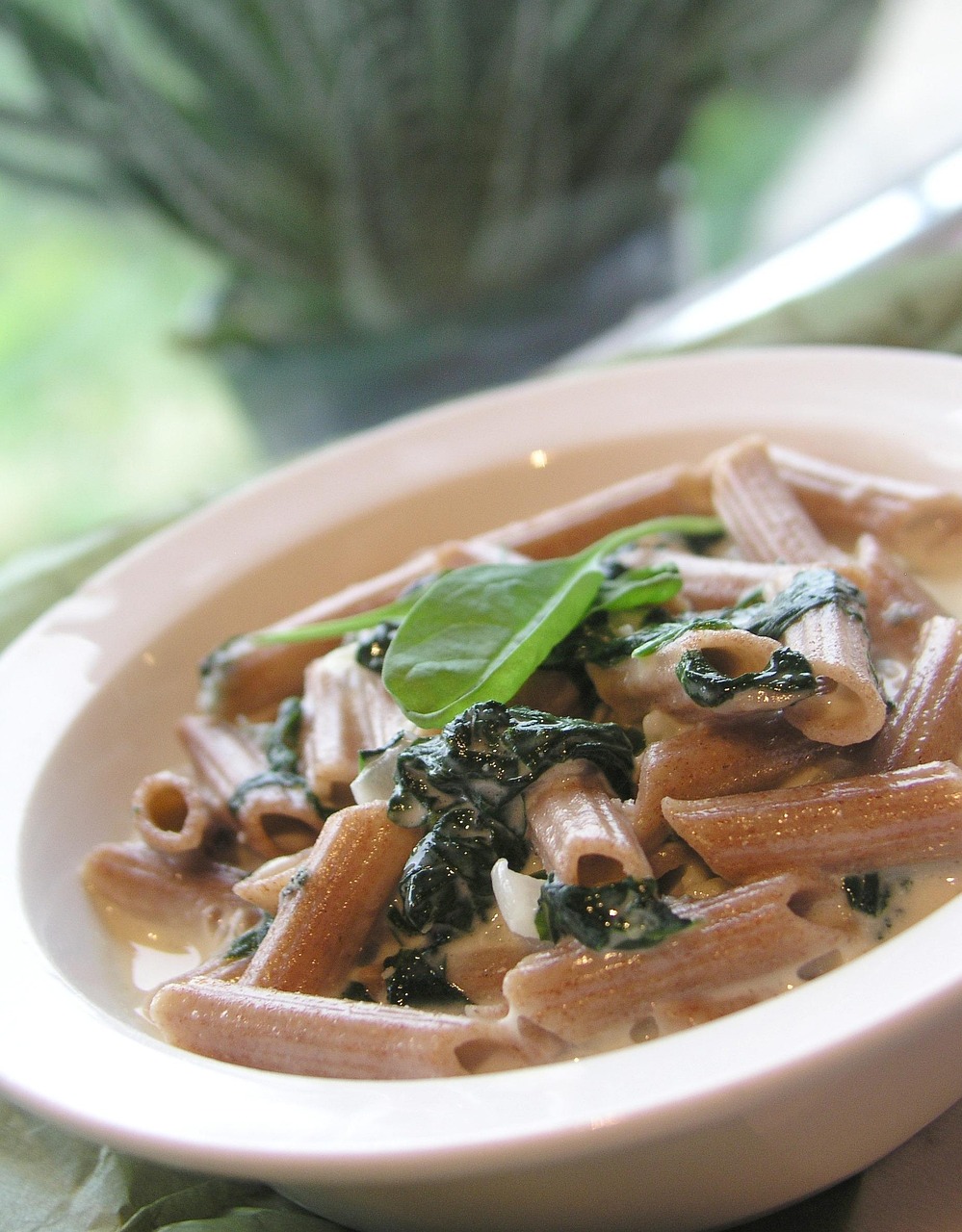
Smoked mackerel is an affordable and widely available option in UK supermarkets, making it a practical choice for supporting vitamin D intake without increasing food costs.
Paired with wholegrain pasta, garlic, and spinach, this dish provides a satisfying balance of protein, fats, and carbohydrates. Spinach contributes iron and magnesium, nutrients that also support energy levels, while wholegrains help maintain stable blood sugar.
Using a splash of lemon juice rather than heavy cream keeps the dish light while still comforting, making it suitable for regular inclusion in a winter meal rotation.
Baked Eggs with Mushrooms and Greens

For those who prefer a vegetarian option, baked eggs with mushrooms offer a valuable combination of vitamin D sources. Eggs contribute small but useful amounts of vitamin D, while UV-exposed mushrooms can significantly increase the total content of the dish.
Baking the eggs with mushrooms, herbs, and leafy greens creates a meal that feels warming and substantial without being heavy. Served with wholegrain toast, this dish works equally well as a relaxed evening meal or a flexible option for households with varying schedules.
It is also an accessible way to include vitamin D–supportive foods without relying on fish.
Sardines on Wholegrain Toast with Tomato and Olive Oil
Sardines are often overlooked, but they are one of the most nutrient-dense and cost-effective sources of vitamin D available. Tinned sardines are shelf-stable, affordable, and easy to incorporate into quick meals.
Served on wholegrain toast with tomatoes and a drizzle of olive oil, sardines create a simple but balanced dinner that supports vitamin D intake, heart health, and satiety. This type of meal is particularly useful on evenings when cooking feels overwhelming but nourishment is still important.
Creamy Mushroom and Lentil Stew with Fortified Oat Milk
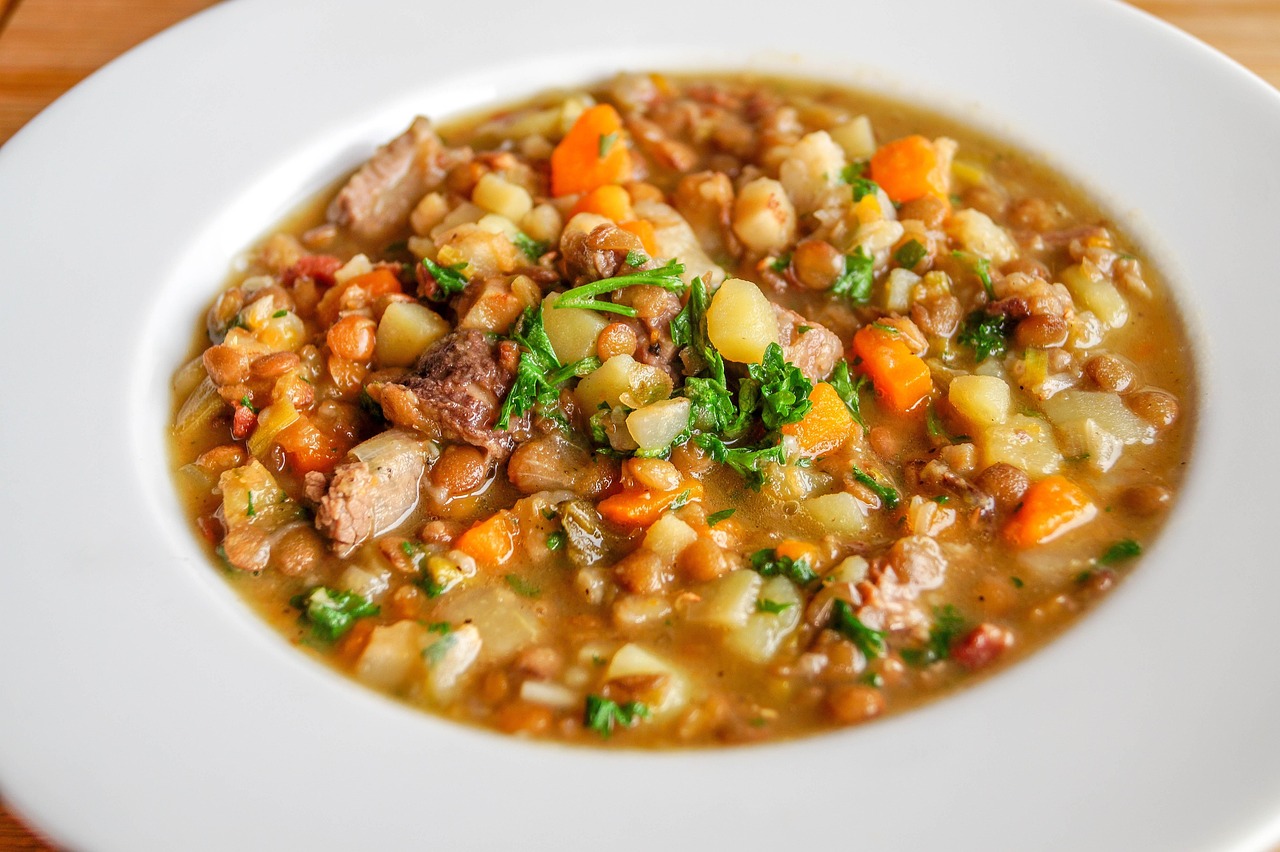
This plant-forward option demonstrates how fortified foods can play a role in supporting vitamin D intake. Using fortified oat milk in a lentil and mushroom stew adds creaminess while contributing additional vitamin D.
Lentils provide protein and fiber, supporting gut health and sustained energy, while mushrooms add depth of flavour and, when UV-exposed, an extra vitamin D boost. This stew is ideal for batch cooking and reheating, making it a practical choice during busy winter weeks.
Lifestyle Habits That Complement Vitamin D–Rich Eating
While food is important, it works best when combined with supportive lifestyle habits. For a healthy living it’s important to intake these immune supportive food and spending more time outdoors.It simply means getting more daylight, even briefly, which can help regulate circadian rhythms and support mental wellbeing, even if vitamin D synthesis is limited.
Eating vitamin D–rich meals consistently, rather than occasionally, allows small contributions to add up over time. Pairing meals with healthy fats improves absorption, and maintaining regular meal routines can provide structure during months that often feel unstructured and draining.
For some people, supplements will still be necessary, particularly those with diagnosed deficiencies or limited dietary options. Food-first approaches, however, can support overall health and make winter nutrition feel more enjoyable and sustainable
Final Word
Winter in the UK does not have to be endured on empty plates and low energy. While we cannot manufacture sunlight, we can create meals that support our bodies and minds through the darker months.
Vitamin D–rich dinners offer more than just nutrients. They provide warmth, routine, and a sense of care at a time of year when all three are needed most. By choosing ingredients intentionally and building balanced meals, dinner can become a small but meaningful way to fight the grey, one plate at a time.
If you would like this content adapted into a meal plan, recipe cards, or SEO-optimised web article, I can do that next.