Ever wondered, “What are some foods that can actually make a difference to your heart and brain health?” Your food choices are a reflection of your health. For a healthy brain and heart, you need to include Omega 3 in your diet.
Omega-3 is rich in EPA, DHA, and ALA, which are essential for your body. These nutrients can not be produced by your body. That means what you put on your plate truly matters.
Let’s dig deeper to understand how omega-3s support heart and cognitive health, and more importantly, how you can realistically eat these foods every single day.
Why Your Body Needs Omega-3?
Let’s start with the basics.
For Heart Health
What do Omega-3 fatty acids mean for heart health?
- You can see 10–30% reduction in triglycerides when consumed consistently
- When you start consuming Omega 3, you’ll see a visible decline in blood pressure
- Lower inflammation and improved circulation
- Better function of the cells lining your blood vessels
- A reduced risk of irregular heart rhythms
Even small daily intakes can add up and support healthier long-term heart function.
For Cognitive Health
Your brain is nearly 60% fat, and DHA (one of the omega-3s) forms a major part of those brain cell membranes. Adequate DHA is linked to:
- Improved learning and memory
- Slower cognitive decline with age
- Better mood stability
- Reduced inflammation in the brain tissue
This is why omega-3s are often recommended for students, professionals, older adults, and anyone looking to safeguard brain health.
Omega-3 Rich Foods: A Practical, Everyday Guide
To incorporate Omega 3 rich food into your diet, you actually need to eat it.
Below, you’ll find omega-3 rich foods, why they matter, and how you can add them to your diet.
1. Salmon
Salmon is one of the richest natural sources of EPA and DHA. These form your body that can immediately improve your heart and brain functions. Eating oily fish twice a week is associated with improved triglyceride levels and healthier arterial function.
How to eat it daily or weekly:
- Aim for 2–3 servings per week (100–150g each).
- Grill it with lemon and herbs for dinner.
- Add smoked salmon to salads or whole-grain toast.
- If you’re not into cooking, you can use canned salmon, which still contains plenty of omega-3s.
Variations: mackerel, sardines, herring, trout, all excellent choices too.
2. Sardines
Sardines are nutrient-dense, affordable, and require no cooking. They offer high levels of DHA, essential for cognitive performance.
How to eat it daily:
- Keep canned sardines at home for quick lunches.
- Add them to whole-grain crackers with a squeeze of lemon.
- Mix into pasta or salads.
- Mash with olive oil and herbs for a quick spread.
If you’re short on time, sardines are one of the easiest ways to consistently boost your omega-3 intake.
3. Walnuts
Walnuts provide ALA, which your body partially converts to EPA and DHA. They also contain antioxidants and polyphenols that support arterial health.
How to eat it daily:
- A small handful of walnuts as a snack
- Sprinkle chopped walnuts over oatmeal or yogurt
- Add to homemade granola
- Toss into salads for extra crunch
Pro tip: Raw walnuts have the most nutrients.
4. Flaxseeds
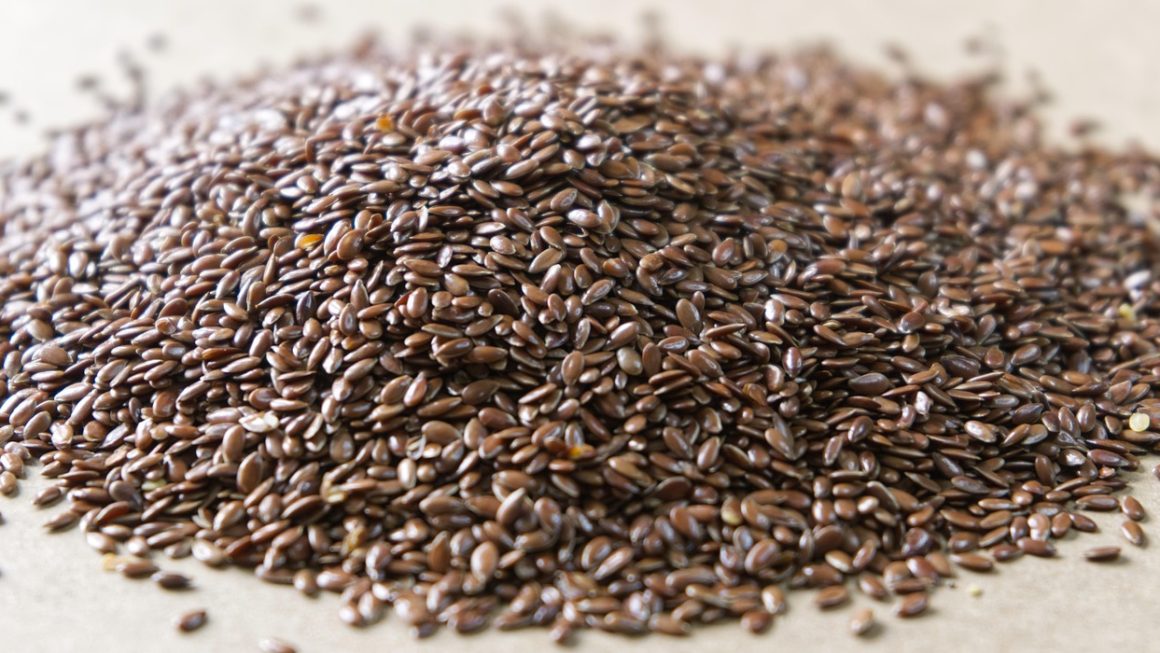
Flaxseeds contain ALA plus lignans, compounds associated with cardiovascular and hormonal balance. They are also excellent for digestive health due to their soluble fiber content. Flaxseeds are a nutrient powerhouse you can sprinkle on your salads.
How to eat it daily:
- 1 tablespoon of ground flaxseed in your smoothie
- Add to oatmeal or yogurt
- Mix into chapati/atta dough
- Add to soups or lentils
Important: Always use ground flaxseed; whole flaxseeds pass through the body undigested.
5. Chia Seeds
Chia seeds are tiny but exceptionally nutrient-dense. Their gel-like consistency when soaked helps with satiety and digestion, making them a great option for weight management too.
How to eat it daily:
- Make chia pudding (1–2 tbsp soaked overnight)
- Add to water or coconut water as a refreshing drink
- Mix into cereal, yogurt, salads, or smoothies
- Add to baked goods for extra fiber and omega-3s
6. Hemp Seeds
Hemp seeds contain the ideal omega-6 to omega-3 ratio (3:1), helping reduce inflammation and support cardiovascular health.
How to eat it daily:
- Sprinkle 1–2 tbsp on salads
- Add to smoothie bowls
- Mix into sandwich spreads
- Add to lentil soup or gravy
7. DHA-Enriched Eggs
Eggs are an excellent source of omega-3 rich feed, which results in eggs containing DHA, a direct brain-supporting nutrient.
How to eat it daily:
- 1–2 eggs for breakfast
- Add boiled eggs to salads
- Include them in sandwiches or wraps
Perfect for children, students, or anyone not eating fish.
8. Seaweed and Algae
Algae is one of the few vegan sources that provides direct DHA and EPA, the same types found in fish.
How to eat it daily:
- Use algae-based supplements
- Snack on seaweed sheets
- Add spirulina or chlorella to smoothies
- Look for omega-3 fortified plant milks made from algae
9. Edamame and Soy Products
Soy foods provide plant-based omega-3s and high-quality protein. They’re beneficial for muscle maintenance and metabolic health as well.
How to eat it daily:
- Snack on boiled edamame
- Add tofu to stir-fries or curries
- Use soy milk in cereal or coffee
- Add tempeh to salads or sandwiches
How Much Omega-3 Should You Aim for Daily?
Here’s a simple breakdown recommended by many nutrition organizations:
250–500 mg of EPA + DHA daily (or weekly equivalents through fish)
1.1–1.6g of ALA daily (easily met with seeds and nuts)
One day of omega-3-rich eating could look like this:
- Breakfast: Chia pudding with walnuts
- Lunch: Grilled salmon or tofu salad with hemp seeds
- Snack: DHA-enriched boiled egg
- Dinner: Stir-fry with vegetables and flaxseed sprinkled on top
The key is consistency, not perfection.
Wrap Up
Omega-3s aren’t just “good fats”; they’re foundational nutrients that support both heart and cognitive health in powerful, research-backed ways.
By intentionally incorporating omega-3 rich foods into your daily meals, you’re taking proactive, meaningful steps toward better energy, clearer thinking, and long-term cardiovascular well-being.
And the best part?
You don’t need supplements to begin; food alone can take you a very long way.